Allied health documentation is not the same shape as a medical consult, and a scribe that only knows how to write a doctor's progress note will not serve a physiotherapist well. The work is assessment-heavy, plan-driven, and repeated over a course of care, and that changes what good documentation looks like.
The allied health consult has a different shape
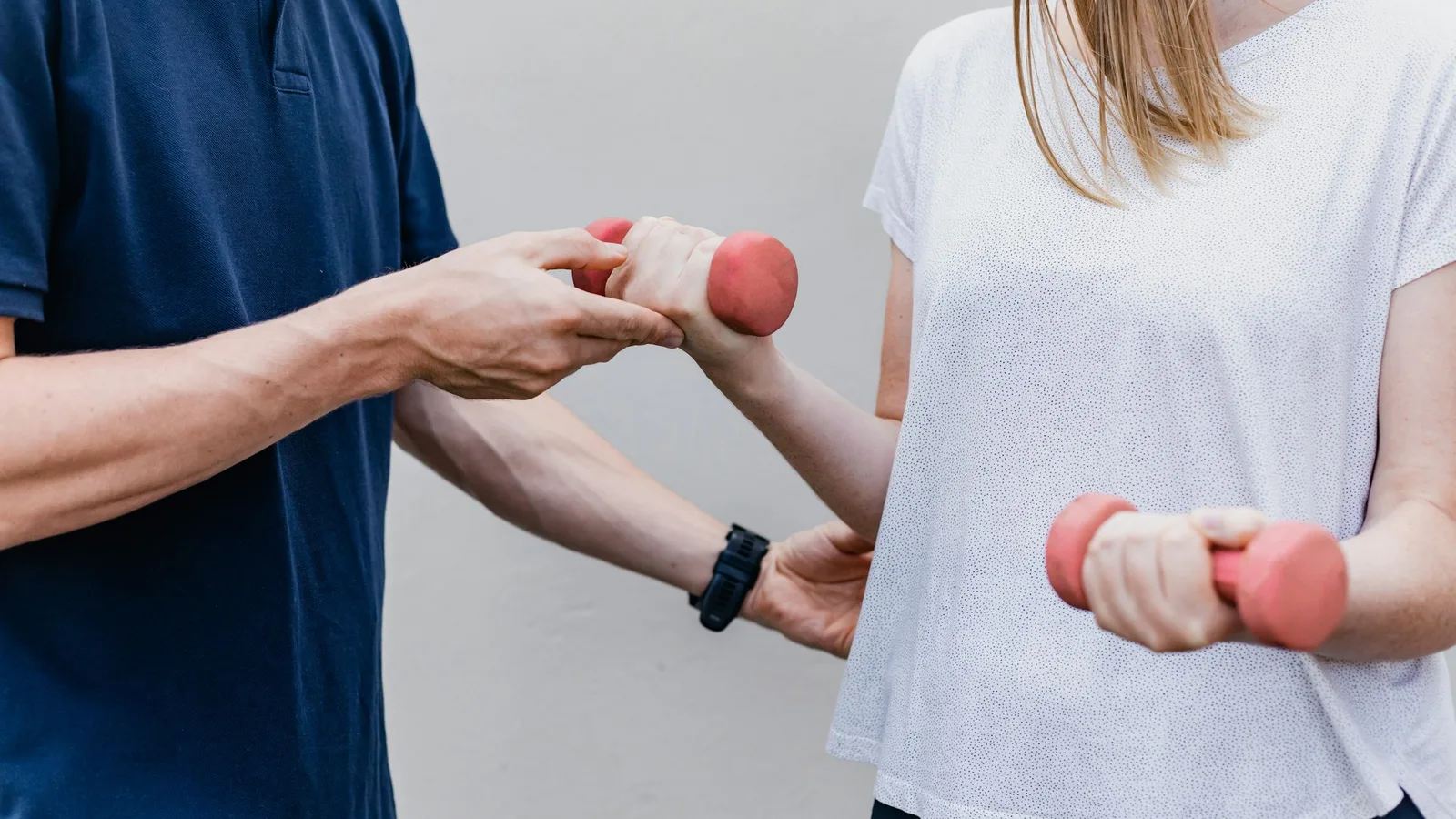
A physiotherapy, occupational therapy or podiatry consult carries a heavy assessment load: objective measures, functional tests, range of movement, gait, task performance. The record has to capture what was measured, what it showed, and how it compares to last time, because progress over a course of care is the whole point. A note that reads well for a single medical encounter can lose that longitudinal thread entirely.
This matters for how a scribe is judged. An ambient scribe listens to the consult and drafts the note, and in allied health the useful draft is one that separates subjective report from objective finding, records the plan in a form the next session can act on, and does not quietly invent a measurement that was discussed but not actually taken. The clinician reviewing the draft is checking exactly those things.
Treatment plans and the course of care
Allied health runs on plans: a set number of sessions, goals defined at the outset, and review points where progress is measured against those goals. Good documentation ties each session back to the plan, so the note is not a standalone record but a link in a chain. A scribe helps here by drafting the session note in a structure that references the goals and the plan, leaving the clinician to confirm the clinical judgement rather than retype the scaffolding.
The risk to watch is drift. Over a course of ten sessions it is easy for notes to become copies of each other, which is a documentation problem long predating AI. A scribe that drafts from the actual conversation each session, rather than templating the previous note forward, is the safer tool, and reviewing for genuine change session to session is part of the clinician's job either way.
Multidisciplinary handover
Allied health rarely works alone. A patient may see a physiotherapist, an occupational therapist and a GP within the same episode of care, and the documentation is what lets them work from the same picture. Notes and letters that a referrer can read quickly, and that state clearly what was found and what is planned, are what make that coordination work.
An ambient scribe can draft the letter back to the referring GP or the note for the shared record from the same consult it documented, which removes a duplication of effort. As always, the clinician reviews and signs before anything is sent, because a handover document carries the clinician's clinical opinion and their name.
What stays the clinician's judgement
A scribe drafts documentation. It does not decide the diagnosis, choose the intervention, or grade a functional measure. Those are the clinician's, and a well-built tool does not pretend otherwise. In allied health the objective measures in particular have to be right, because they drive the plan, so the review step is not a formality: it is where the clinician confirms that what the draft recorded is what actually happened in the room.
The professional and record-keeping obligations that apply to any registered practitioner apply here too. The clinician remains responsible for the record, whatever tool helped produce it, and the value of a scribe is that it removes the transcription burden without moving that responsibility.
- Objective measures and functional tests, confirmed against what was actually performed.
- The clinical reasoning that links this session to the plan and the goals.
- The plan itself, and any change to it.
- The decision to send a letter or contribute to a shared record.
Where aurii fits
This section is about our product. Everything above is not.
aurii is an ambient scribe that listens to the consult, with the patient's consent, and drafts the documentation that comes out of it for the clinician to review and sign. The scribe writes; the clinician decides. Everything is captured, transcribed and stored in Australia and encrypted record by record, which matters for a practice handling sensitive health information.
Whether that fits an allied health practice comes down to the same test as any tool: does it save the documentation time without lowering the standard of the record, and does it keep the clinician in control of what becomes the note. The way to answer that is to try it against a real consult and read the draft it produces.
Common questions
It drafts what was discussed and performed in the consult, including objective findings that were spoken. It does not perform or grade a measurement itself, and the clinician confirms every objective finding against what actually happened before signing.
Yes. It can draft the referrer letter from the same consult it documented, which removes retyping. Nothing is sent until the clinician reviews and signs it.
A scribe that drafts from each session's actual conversation, rather than templating the previous note forward, reduces that risk. Reviewing for genuine session-to-session change remains part of good practice regardless of the tool.
This is general information for allied health practices, not clinical or legal advice. More guides sit on the resources hub. If your practice needs a question answered before it adopts AI documentation, tell us and we will write it: hello@aurii.com.au.